
More property owners want a fence that treads a little lighter on the planet, and there are plenty of ways to do it. The greenest option depends on your taste, your location and what you need the fence to actually do, so here are the popular sustainable choices with their honest strengths and weaknesses, and a word on where metal fencing fits in.
What makes a fence eco-friendly
A fence still does the usual jobs: keeping out trespassers and stray animals, screening the property from view, and keeping children and pets safely in. An eco-friendly fence adds character and a natural finish, tends to be durable, and, where it uses recycled or fast-renewing material, has a smaller footprint. Many of these options are also low-maintenance, which makes them cost-effective over the long run.
The best eco-friendly fencing options
Bamboo
Bamboo brings a warm, tropical look and is one of the genuinely green choices. It grows to harvest in about three years, against 50 or more for a cedar, so its impact is minimal. It is cheaper than many alternatives and lasts around 20 years. Security is not its strength, so treat it as screening rather than a barrier.
Reclaimed and recycled timber
Timber salvaged from old homes and structures gives a fence a rustic, characterful look, and reclaimed wood is often more seasoned and stable than new lumber. Local suppliers sell recycled Australian timbers, so you do not need to chase demolition sites. It will show its age and needs some maintenance, since it can still rot or splinter over time.
Composite
Composite fencing is made from recycled wood and plastic, sometimes up to 96 per cent recycled content, giving a sleek timber look with very low maintenance. It is light, durable and lasts more than 20 years. The catch: composite itself is generally not recyclable at end of life yet.
Living fence
A dense hedge or shrub row is about as eco-friendly as fencing gets, and it makes a good privacy screen while cooling the garden and providing habitat for birds and insects. It does not offer the security a solid fence does, will not contain pests, and needs watering and trimming to keep its shape.
Stone
Locally sourced or recycled stone makes a beautiful, durable and very low-maintenance fence with good security and privacy. Building with salvaged stone is skilled work, so it is one for an experienced contractor, but done well it lasts a lifetime.
Where metal fencing fits
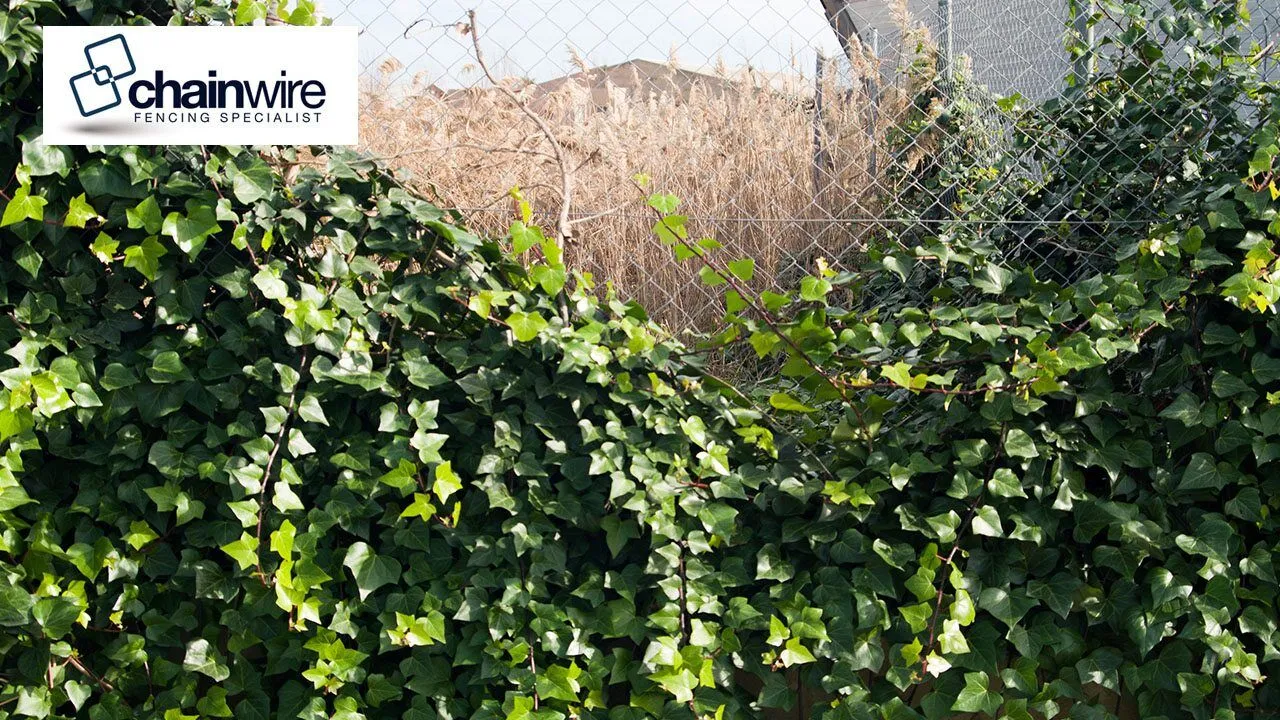
It is worth saying that steel and aluminium fencing are more sustainable than they first appear. Metal is highly recyclable, galvanised steel lasts for decades with little maintenance, and a fence you never have to replace has a smaller lifetime footprint than a cheaper one you rebuild every ten years. A powder-coated or PVC-coated chainwire or steel fence can also host a living screen of vines, giving you the durability of metal and the greenery of a hedge in one. Longevity is its own kind of sustainability.
Choosing well
Match the fence to the job first, then lean green within that. For a private garden screen, bamboo, a living fence or composite; for a boundary that has to hold, stone or long-life metal that you plant out. The most sustainable fence is usually the one you build once and keep for decades, whatever it is made from.