
We build fences for a living, so people ask us the same question all the time: what type of fence should I get? The honest answer is that it depends on what you want the fence to do. Keep a dog in, keep intruders out, mark a boundary, add some privacy, look good from the street. Each material trades off cost, security, privacy, looks and maintenance differently, and no single one wins on every count.
Here are the fourteen types you are most likely to weigh up in Australia, with the straight version of what each is good and bad at. Rules on height, materials and pool barriers vary by state and council, so treat this as the shortlist and check your local requirements before you commit.
Timber fencing
Timber is the classic Australian fence, common in suburban backyards and on rural blocks. It can be run as vertical palings, horizontal rails, a traditional picket line or a decorative lattice. It is practical and warm-looking, but it wants seasonal upkeep: timber is prone to termites and rots over time, especially with constant weather exposure. Treatment and routine maintenance keep it going. Timber post-and-rail is a trade of its own, so if that is what you are after, talk to a timber fencer.
Steel fencing
Steel is one of the most popular choices, particularly for industrial sites and security, because it is sturdy and cost-effective. Its weakness is rust. A galvanised or powder-coated finish, or a good primer and oil-based paint, shields it and lets a steel fence last for decades.
Aluminium fencing
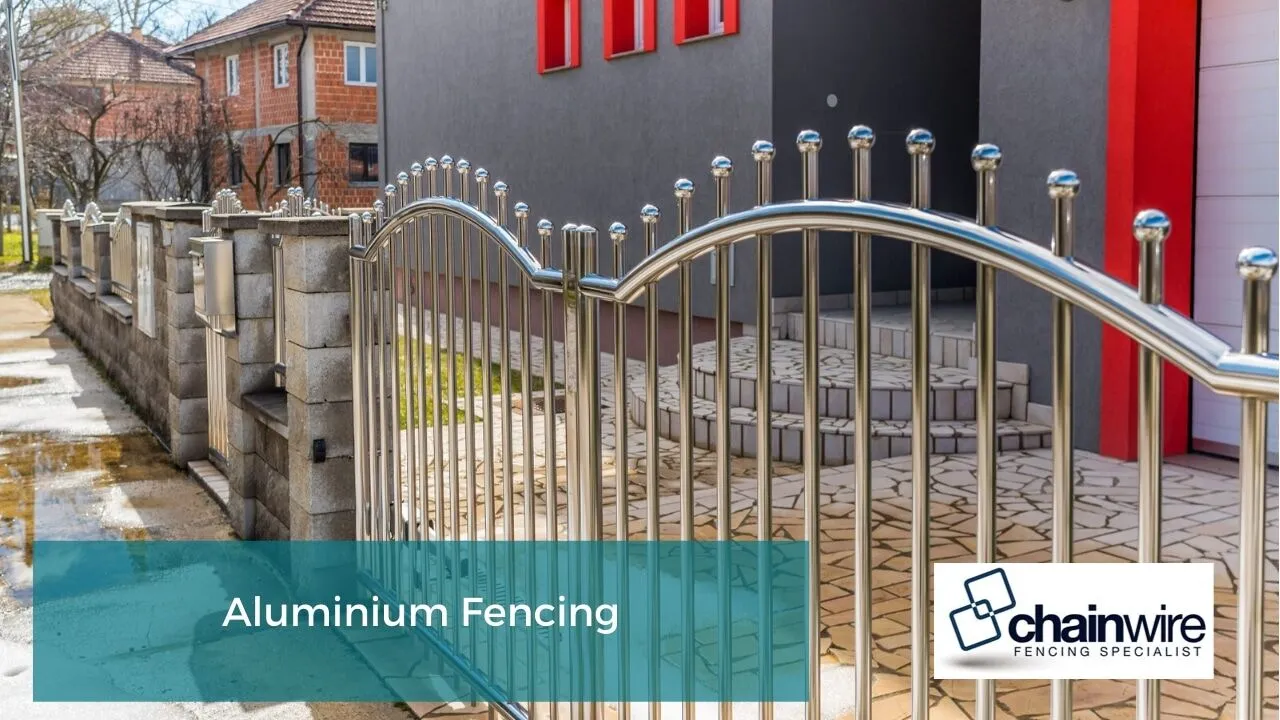
Aluminium gives you the look of wrought iron without the weight or the rust. It is easy to install, handles most weather (powder-coated especially), stays low-maintenance and takes any colour. The trade-off is strength: it is not the toughest option, so it suits areas that do not need heavy security. It is also a common compliant material for pool fencing.
Bamboo fencing
Bamboo is an eco-friendly, nature-inspired option that is surprisingly durable and naturally termite-resistant, and can last up to twenty years. It is much stronger than most softwoods. Security is not its strong suit, so treat it as a screening and privacy fence rather than a barrier.
Brick wall fencing
Brick is strong, long-lasting, fire-safe and very weather-resistant, and it pairs well with steel or wrought iron for a mixed look. It costs more than most fence types, cannot be relocated, and its footprint eats into usable land. Built once, it lasts.
PVC (vinyl) fencing
PVC gives you a picket-fence look at a lower price with decent security and little maintenance, and PVC panels can deliver full privacy. Its weak point is volatile weather: repeated heat and cold cycles can make it brittle and crack over time.
Precast concrete fencing
Precast concrete is about as durable as fencing gets, termite-proof and able to take any climate. The heavy panels are cast in a factory and need skilled installers and machinery. Design and size are not flexible and the upfront cost is higher, but over a lifetime it can work out cheaper than most.
Modular wall and fencing
Modular walls give you the look of rendered masonry for less. They are quick to install and customisable with letterboxes, lighting and slats. They cost more than plain metal or timber, so you are paying for the finish.
Eco-stone fencing
Eco-stone brings a stately, solid look with plenty of design choices, and because it is made from recycled material it is a lower-footprint option. It is sturdy, weather-resistant and good for both privacy and security, with easy upkeep. Like brick, it needs width, so it reduces usable land.
Brushwood fencing
Brushwood has a natural look that suits the Australian landscape and rustic-style homes, with good acoustic screening and privacy. The catch: it attracts termites and is not advisable in bushfire-prone zones, where non-combustible materials are the safer call.
Glass fencing
Glass keeps a view open and looks sleek and modern, and glass used in fencing is toughened to meet the applicable Australian Standards. It costs more, offers little privacy, can scratch, and needs care around children and pets. Glass and glass pool fencing are a specialist trade, so that is who to talk to if a frameless glass barrier is the look you want.
Wrought iron fencing
Wrought iron is striking and full of curb appeal, with intricate detailing possible. It is strong but gives little privacy or security on its own, so it is often combined with brick or modular panels. It is expensive and needs yearly maintenance to stay rust-free.
Chainwire fencing
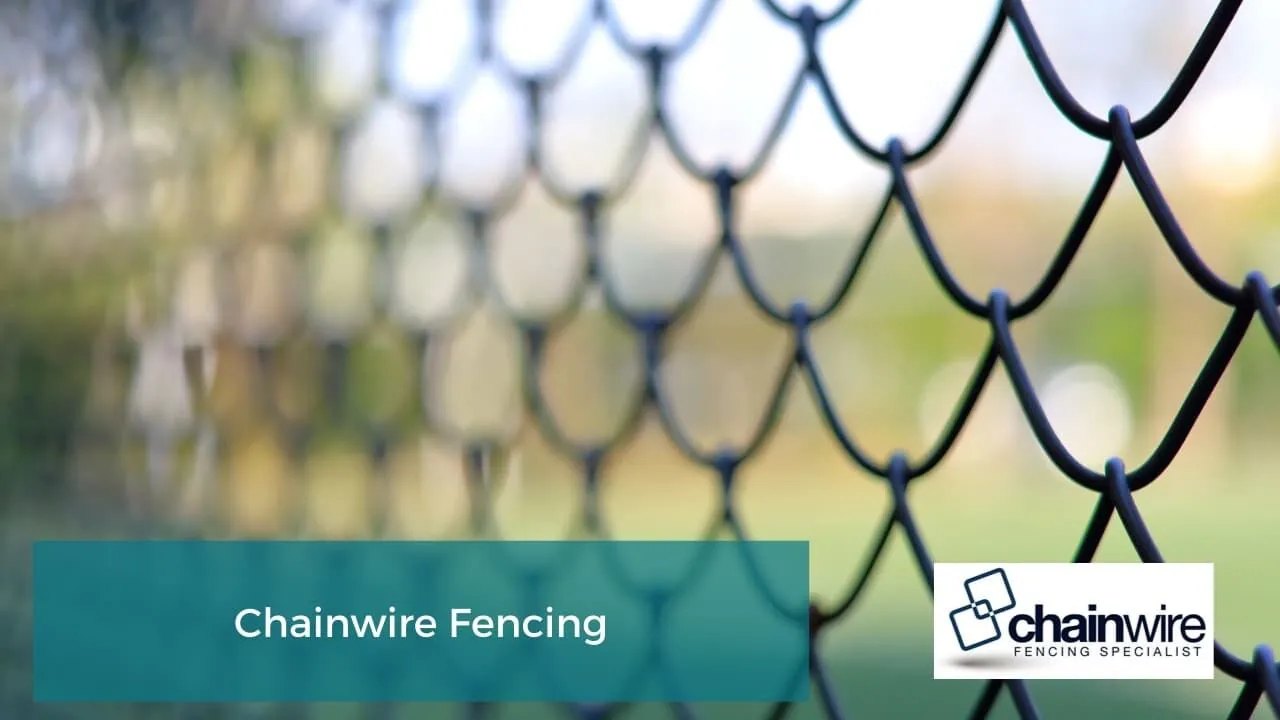
Also called chain link, cyclone fencing or chain mesh fencing, chainwire is an inexpensive, durable and long-lived way to enclose a property. Its galvanised steel wire resists corrosion and rust, so maintenance is minimal, and it scales from a backyard run to a full site perimeter. It is the workhorse of school, sporting, industrial and construction fencing. It is not chosen for looks or for privacy on its own, but slats, shade cloth or planted greenery fix that, and barbed wire or a spiked top-rail turns it into a serious security barrier. This is our specialty, and it is a common source of confusion, so it is worth saying plainly: chainwire, cyclone fencing and chain mesh are three names for the same fence.
Barbed wire fencing
Barbed wire is usually run as security fencing to keep people or stock off a property, or added along the top of a chainwire run. It is cheap, easy to install and maintain, and stands up to any weather. Privacy is not its point. Note that most councils do not allow barbed wire on a residential boundary fence, so it belongs on rural, industrial and commercial sites, not the suburbs.
Choosing between them
Work back from the job. For a boundary between neighbours, timber, aluminium or PVC usually wins on looks. For security, steel, chainwire with a top treatment, or a mixed brick-and-metal wall. For rural stock, wire and steel systems. For a pool, a compliant aluminium or chainwire barrier that meets AS 1926.1, never glass unless a glass specialist certifies it. Weigh purpose, budget, looks, maintenance and what materials are easy to get in your area, and check your council's rules on height and materials before you order anything.
If you are in the Hunter and after chainwire, steel, mesh or security fencing done properly, the Newcastle crew at Chainwire Fencing Specialist handle that day in, day out.