
Golf is a great game, but a course sits in the middle of a genuine set of safety and boundary problems: hard balls flying long distances, hazards players need to avoid, work areas that spoil the view, and grounds that need securing after hours. Fencing solves all four, and different parts of the course call for different fences. Here is where each one earns its place.
Protecting neighbouring properties from stray balls
Homes beside a fairway are in the firing line, and a stray ball now and then is one thing, a steady rain of them is another. Errant golf balls are a real risk to property and to people, and they can become a genuine liability for a club. A tall, durable boundary fence in the exposed line of play catches balls before they reach neighbouring yards and keeps the club on the right side of that risk. This is where a high chainwire or mesh fence does its best work, because it stops the ball without blocking light or air.
Marking hazards and boundaries
Players cannot always tell where a cart path ends, where a lake begins, or which ground is out of bounds. A low rail or horizontal-board fence along cart paths and hazards makes those edges obvious and keeps players and carts where they should be. This is about guidance and delineation rather than security, so the fence is light and visible rather than tall.
Screening the working areas
Courses are admired for how they look, and a maintenance yard, car park or bin store in view undoes that. A screening fence hides the functional parts of the course from players and keeps the outlook clean. A privacy screen, commonly around 1.8 metres, does the job in these spots.
Securing the grounds
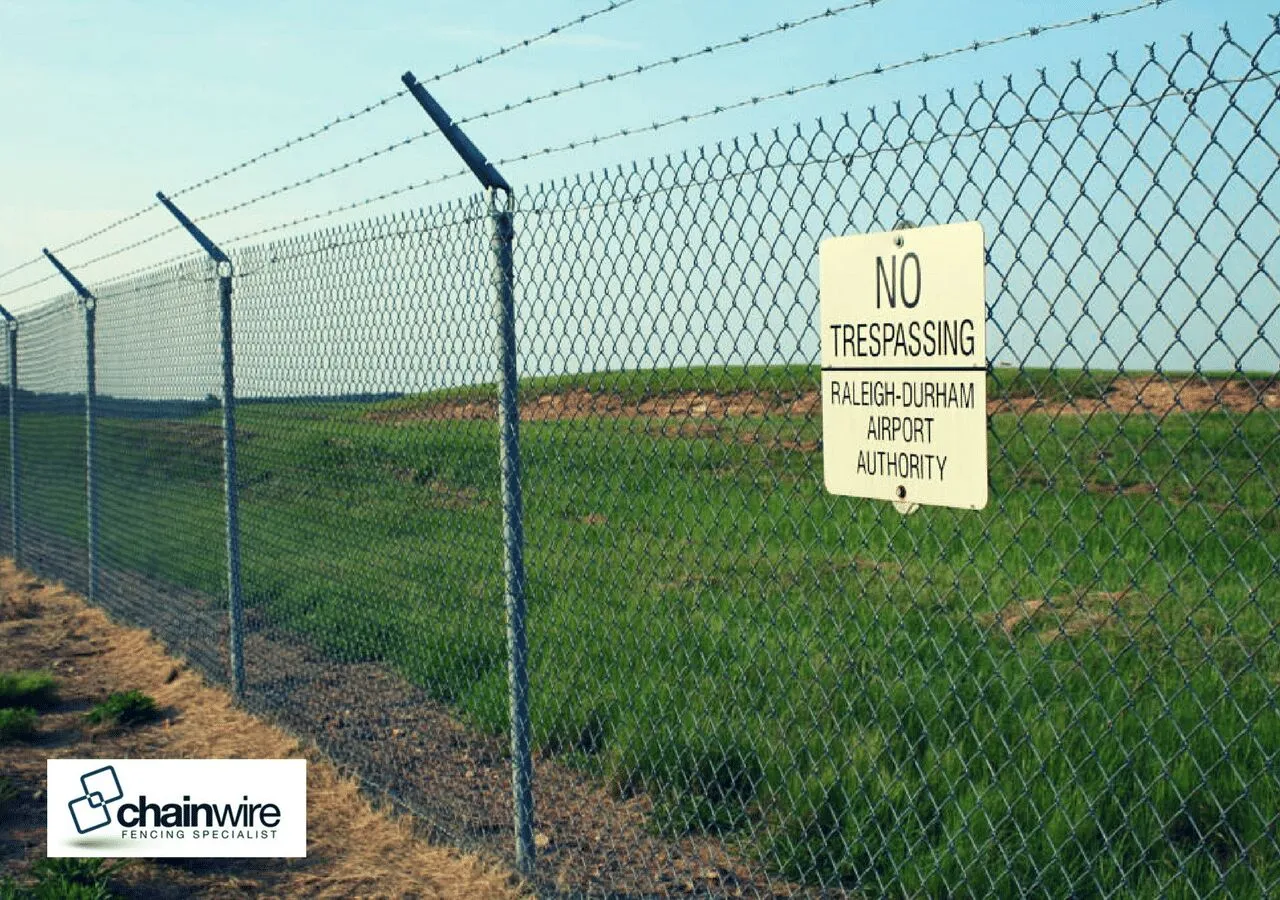
Golfers want to play without worrying about who else is wandering the course, and a club wants its grounds and equipment safe after dark. A chainwire perimeter fence keeps trespassers out and can be colour-finished to help mark different areas of the course, doing double duty as security and wayfinding.
Getting it built right
A golf course is really several fencing jobs in one: a tall ball-catch fence where play threatens neighbours, low delineation fences at hazards, screening where the working areas show, and a secure perimeter overall. The metal and mesh elements, the ball-catch runs, the perimeter security and the gates, are the parts worth building to a proper spec, because they take the hardest use and matter most for safety and liability. Chainwire Fencing Specialist has since 2004 built fences for demanding sites including construction, power stations, schools and military bases, all to Australian Standards. Call 02 4023 5416 or email admin@chainwire-fencing.com to talk through a course.
The takeaway: fencing a golf course is about matching the fence to the job, tall mesh where balls threaten neighbours, low rails at hazards, screening at the work areas, and a secure perimeter around the lot. Get the ball-catch and security elements built properly and the course stays safe, tidy and out of trouble.