
Steel has quietly become the default for serious fencing, and not just because it is strong. Modern fabrication, cutting, forming, welding and coating, has opened up designs that were awkward or expensive a decade ago. Here are the directions the work is moving in.
Custom fabrication is the norm, not the extra
The biggest shift is that custom is now expected. Steel bends to intricate patterns, one-off gate designs and personalised details in a way panel-based materials cannot. For a business that wants a fence to match its architecture, or a property owner after something that is genuinely theirs, fabrication makes it achievable without a blank-cheque budget. This is where an on-site workshop earns its keep: the fence is made to the job, not the job squeezed to fit a stock fence.
Corrosion-resistant coatings do the heavy lifting
Steel's old weakness was rust. Coatings have largely answered it. Hot-dip galvanising, powder coating and other protective finishes let a steel fence stand up to weather, moisture and salt air for many years. That matters here on the NSW coast, where a fence a few kilometres from the water lives a harder life than one inland. A well-coated steel fence is the practical answer where lesser materials would be pitting within a few seasons.
Security built into the design
Security is where steel fabrication really shows its range. Anti-climb profiles, reinforced gates and welded mesh panels can all be built to a defined threat level rather than bought off a shelf. Chainwire in particular benefits from steel framing, giving a sturdy barrier that can be dialled up with tighter mesh, barbed wire or spear tops as the site demands.
Smart access, quietly integrated
Automation has become routine rather than exotic. Steel gates pair readily with smart locks, keypads, cameras and motion sensors, so a site can control and monitor access remotely. The gate is still a fabricated steel structure doing a mechanical job; the electronics simply ride on top of it.
Clean lines and low fuss
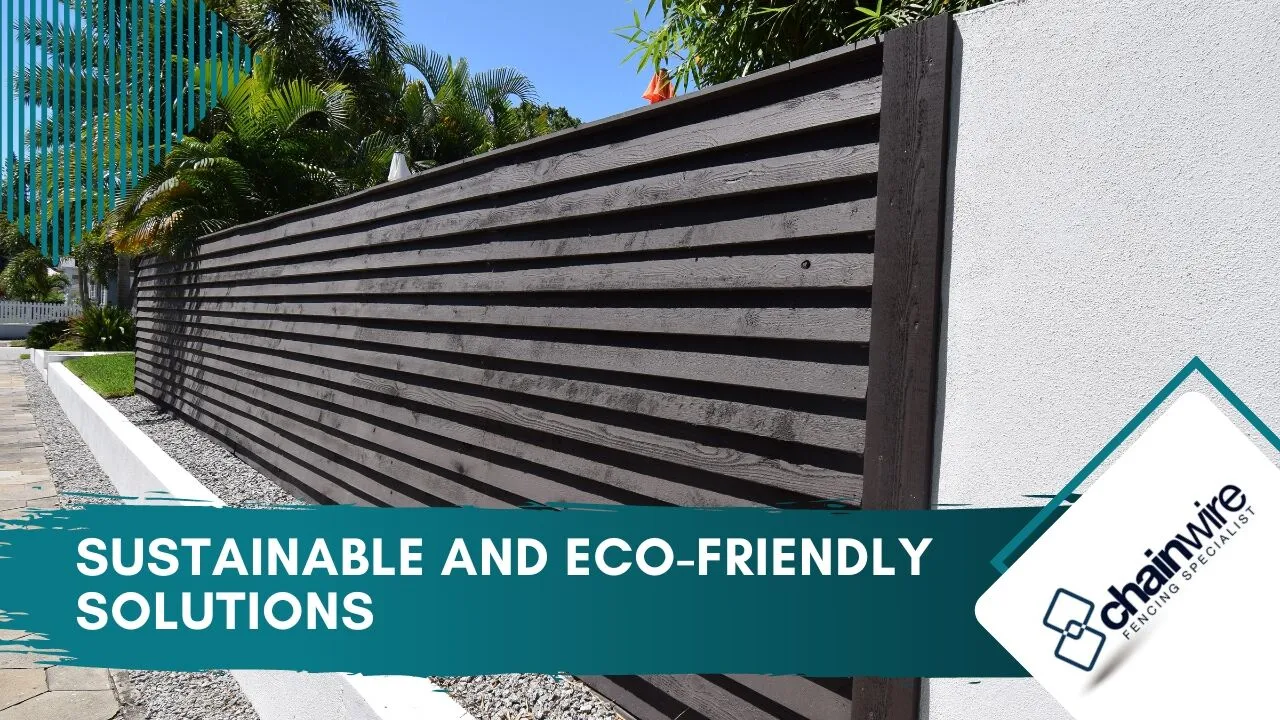
Alongside the technical gains, the look has settled towards minimalism, straight lines, simple forms, finishes that complement a building rather than shout over it. Part of the appeal is practical: a well-made steel or aluminium fence asks very little of you once it is up. If you want the lighter, non-corroding cousin, aluminium fencing and gates carries many of the same benefits with less weight.
The thread running through all of it is that steel adapts. Whether the brief is a decorative residential boundary, a hardened commercial perimeter or a bespoke fabricated gate, the material and the modern methods behind it stretch to meet it. That flexibility is why steel is going to stay central to fencing for a long time yet.