
Sustainability has become a real factor in how people choose building materials, fencing included. Sustainable fencing means keeping the environmental impact low across the whole life of the fence, from the materials and the coating to how long it lasts and what happens at the end. Chainwire, for all its plain reputation, scores well on several of those measures. Here is why.
Steel is highly recyclable
The main material in chainwire fencing is steel, and steel is one of the most recycled materials in the world. It can be melted down and reused repeatedly without losing its structural quality, which means an old chainwire fence is not waste, it is feedstock. Fencing made with recycled steel content reduces demand for virgin material, which in turn means less mining and less energy spent producing new steel. When you choose a steel fence, you are choosing a material that stays in circulation rather than ending in landfill.
Coatings that are kinder
The coating protects the fence and extends its life, and here the modern options are cleaner than the old ones. Powder coating, commonly used on fencing, is applied dry and cured with heat, so unlike liquid paints it releases little or no volatile organic compounds and wastes very little material. You get robust rust and corrosion protection without the solvent emissions of traditional paint, which is better for the installer, the property and the air.
Durability is the real sustainability win
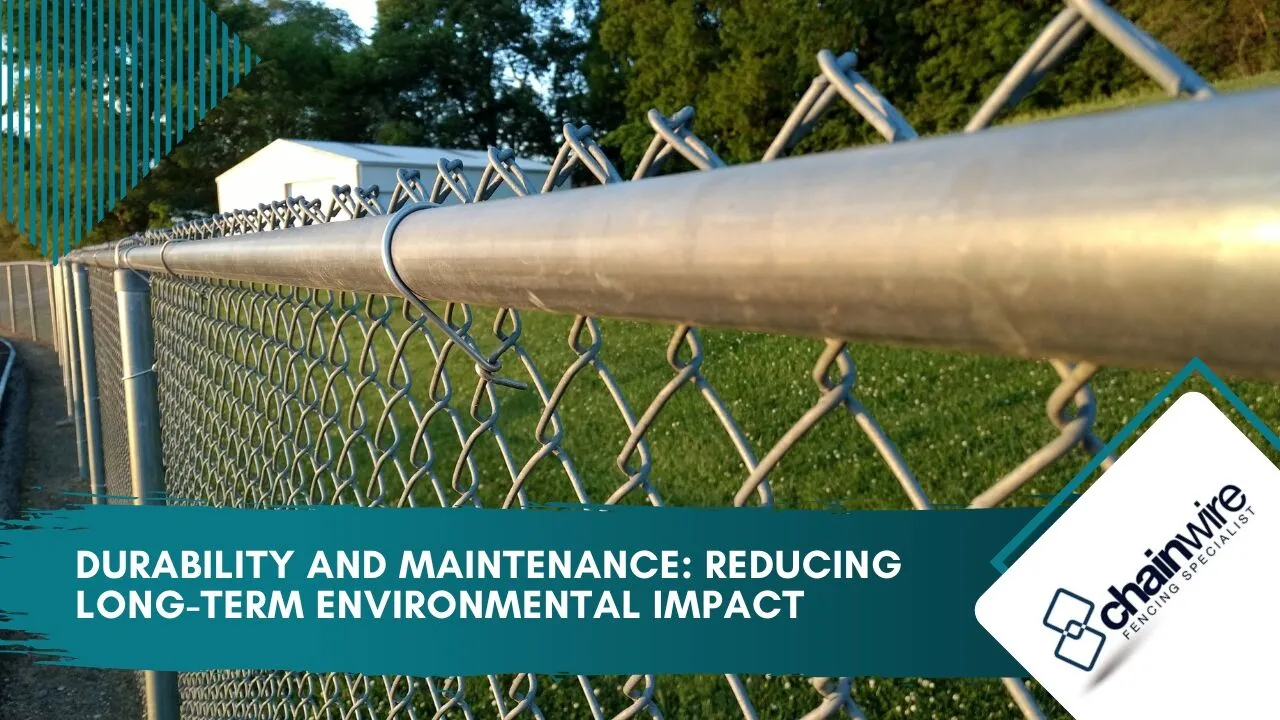
The single biggest thing a fence can do for the environment is last. Every replacement means new material, new manufacturing, new transport and new installation, so a fence that stands for decades is inherently greener than a cheap one replaced twice in the same span. Galvanised, well-coated chainwire is built to take weather and wear for a long time, and a bit of basic maintenance, the occasional wash-down and prompt repair of any coating chips, stretches that life even further. Choosing durable and maintaining it is quietly one of the most sustainable decisions you can make.
End of life
When a fence finally does reach the end of its service, steel's recyclability closes the loop. Rather than sending old fencing to landfill, the material can go back into the recycling stream and become new steel, cutting the need for raw material all over again. Ask your local metal recycler about taking old galvanised fencing; most will.
The wider payoff
Choosing a sustainable fence is not only good for the planet. A durable fence that needs replacing less often costs less over its life, and a property that lasts and looks after itself holds its value. Sustainability, cost and longevity tend to pull in the same direction here, which is a rare and welcome thing.
The takeaway: chainwire earns its green credentials the sensible way, through a highly recyclable material, cleaner powder coatings, and above all a long service life that avoids the waste of repeated replacement. Buy durable, maintain it, and recycle the steel at the end, and a fence becomes one of the easier sustainable choices around the property.