
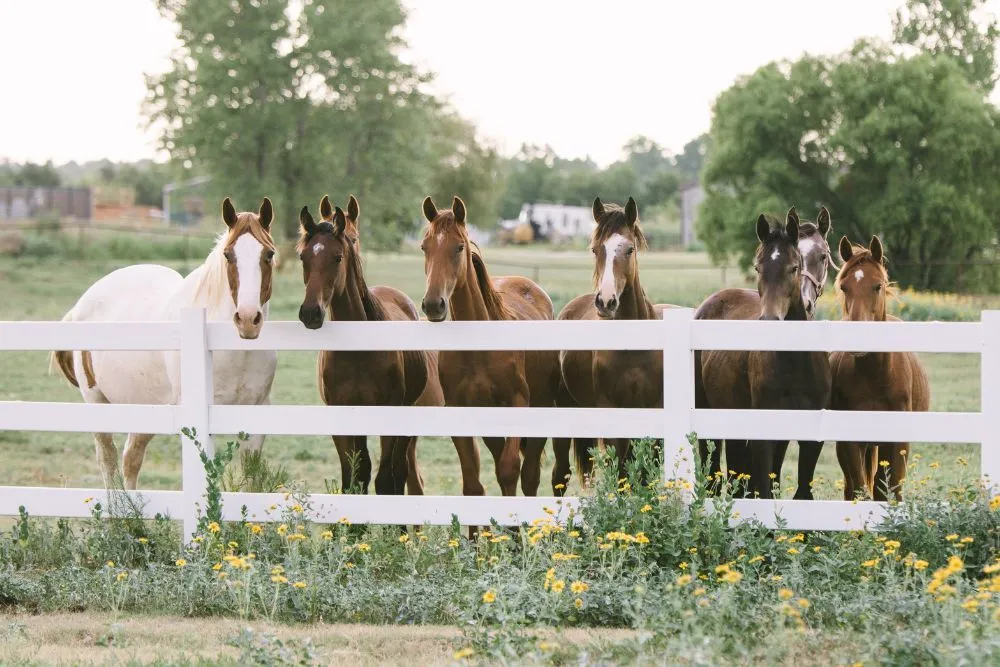
Rural fencing has to earn its keep. It contains livestock, marks the boundary, protects crops and keeps wildlife out, across ground that is rarely flat and weather that is rarely kind. The right fence comes from the animal you are containing and the country you are running it on, not from a single default build.
Wire and steel, not timber
A note up front so there are no surprises: this is wire and steel rural fencing. Barbed, plain, electric and woven wire strained on steel posts and strainer assemblies. Timber post-and-rail is a different trade and not part of the offering. Where a rural boundary needs metal strength, that is exactly what wire and steel systems are built for.
The wire systems and what they suit
- Barbed wire for cattle and general livestock, where animals push against the line and you want a firm deterrent.
- Plain wire, often electrified, for defining boundaries and holding large animals with less contact injury.
- Woven and hinge-joint wire for smaller stock like sheep, pigs and dogs, where the mesh stops animals pushing through or digging under.
- Chainwire where the run needs a solid mesh barrier rather than strained lines.
Horse and equine fencing
Horse fencing follows the same rule: metal and wire systems, sized for a large animal that leans, paws and spooks. Plain or woven wire on strong steel posts, tensioned properly, does the containment job. Timber post-and-rail is not something offered here.
Standards and the boundary question
Rural fencing sits under NSW Department of Primary Industries guidance on livestock fencing and land use, plus local council rules on zoning, height and boundary placement. Where a fence runs along a shared boundary, the NSW Dividing Fences Act sets out how neighbours share the cost, worth sorting before the job starts rather than after.
What decides the build
Animal behaviour first, does it jump, dig or push? Then the ground, terrain, soil and water access all change how posts are set and how often the line needs checking. Larger animals want taller, higher-tension fences on stronger posts. Get those two right and the fence lasts.
Who builds it
Rural and farm fencing is built by the Newcastle crew behind Chainwire Fencing Specialist, working across the Hunter and Lake Macquarie rural fringe since 2004. To scope a boundary or a stock fence, contact the team.
Start with the animal and the ground, then choose the wire. A fence built for the stock it actually holds outlasts one built to a generic spec.