
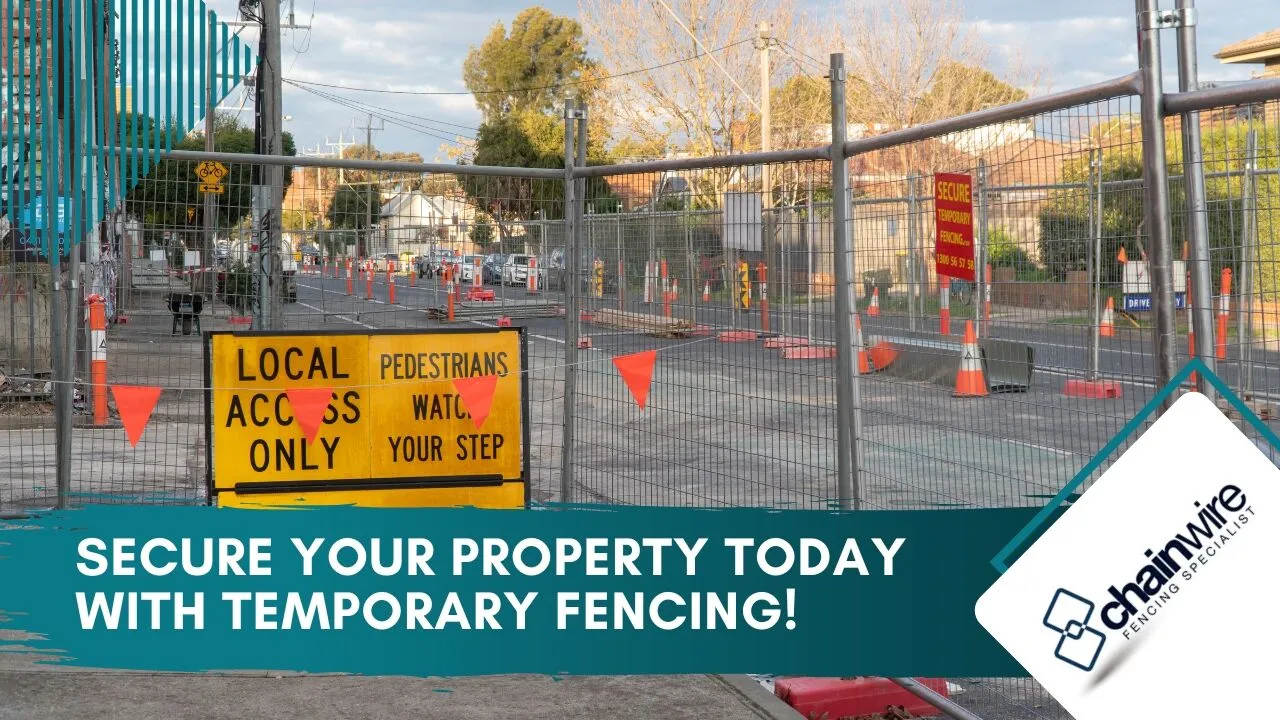
Temporary fencing is a genuinely versatile tool. It secures a space for as long as you need it and then comes away cleanly, which makes it invaluable across construction, events and public safety. Here is a complete look at where it is used and why it works so well.
Where temporary fencing is used
Construction sites. The most common application. Temporary fencing marks the site boundary, keeps unauthorised people away from real hazards and protects both workers and the public. It also deters theft and trespass, and warns off graffiti and vandalism, ongoing headaches for site supervisors, because a high, secure perimeter makes a site far less inviting to interfere with. On a NSW site there are specific legal requirements to meet, which our guide on temporary fencing compliance covers in full.
Events and festivals. At outdoor concerts, fairs and festivals, temporary fencing helps organisers manage crowds, define designated areas and guide the flow of people so an event runs safely and in order. It also provides a degree of privacy or exclusivity when an event is held in a public space.
Vacant and under-construction property. For owners of empty or partly built premises, temporary fencing is a practical deterrent against trespass, vandalism and unauthorised occupation until the site is ready or occupied.
Public safety. Where a public space is being maintained or repaired, temporary fencing keeps people clear of the work and away from restricted or hazardous areas.
Emergencies. After an accident or natural event, temporary fencing quickly establishes a safety perimeter and controls access to an affected area, sectioning off danger while it is dealt with.
Around the home. It is not only for big sites. During landscaping, renovations or pool work, temporary fencing keeps children and pets away from hazards like open excavations, decks and pool areas until the work is finished.
Why temporary fencing works
- Flexible. It installs, moves and removes easily, which is exactly what short-term projects and events need.
- Quick to set up. Fast to install and take down, so work or events can start promptly and wrap up without a slow dismantle.
- Cost-effective. For a temporary need, hiring panels is far cheaper than a permanent fence.
- Secure. A defined perimeter deters unauthorised access and casual intruders while the site is in use.
- Helps you meet obligations. On regulated sites, compliant temporary fencing is part of meeting safety requirements.
- Visible. The open mesh keeps sight lines clear both inside and out, which helps supervision and communication across a site.
Hiring is usually the smart choice
For most short-term needs, hiring temporary fencing makes sense, you get compliant panels, feet and clamps delivered, and return them when the job is done, with no storage, maintenance or capital outlay between projects. Buying only starts to pay off for contractors running several simultaneous sites regularly.
The through-line is simple: when you need a secure boundary for a while, not forever, temporary fencing is purpose-built for it. Work out your perimeter, including gates, plan where access needs to be, and get compliant panels in before other activity starts. A contractor's construction site temporary fencing supply covers exactly this kind of short-term, standards-met work.