
A fence is a long-term investment, and in NSW the weather is what tests it. Hot, humid summers and long rainy stretches are hard on fencing, and the material you choose decides how much maintenance and repair you are signing up for. Here is how the common options actually hold up, so you can match the material to the climate as well as the job.
The material rundown
Timber. Classic and warm-looking, but wood expands in heat and contracts in cold, and it is prone to termites and ageing faster than metal. If you go timber, choose a naturally durable species and have it oil-treated and stained, and accept the ongoing upkeep.
Vinyl. Low-maintenance and stable across hot and cold, vinyl resists cracking, fading, peeling and rot. It loses a little flex in the cold but generally only breaks under sudden impact.
Aluminium. Rustproof, low-maintenance and easy to powder-coat for weather and colour, aluminium does not warp, rot or grow mould. The trade-off is strength: it is a decorative and residential material, not one for hard security.
Brick. Extremely durable and long-lived, and it can be combined with metalwork for looks. It is fixed in place though, cannot be relocated, and takes up more ground than a fence.
Steel. Sturdy, secure and good value, steel is a popular choice, with one condition: it must be galvanised and coated, because bare steel rusts. Properly finished, it lasts a very long time.
Bamboo and brushwood. Both give a natural, screening look and bamboo is genuinely durable and termite-resistant, but neither is a security material and brushwood can attract termites and is a poor choice in bushfire zones.
Glass. Sleek and view-friendly for modern homes, and required to be toughened under Australian Standards, but it offers no privacy and, even toughened, is not unbreakable.
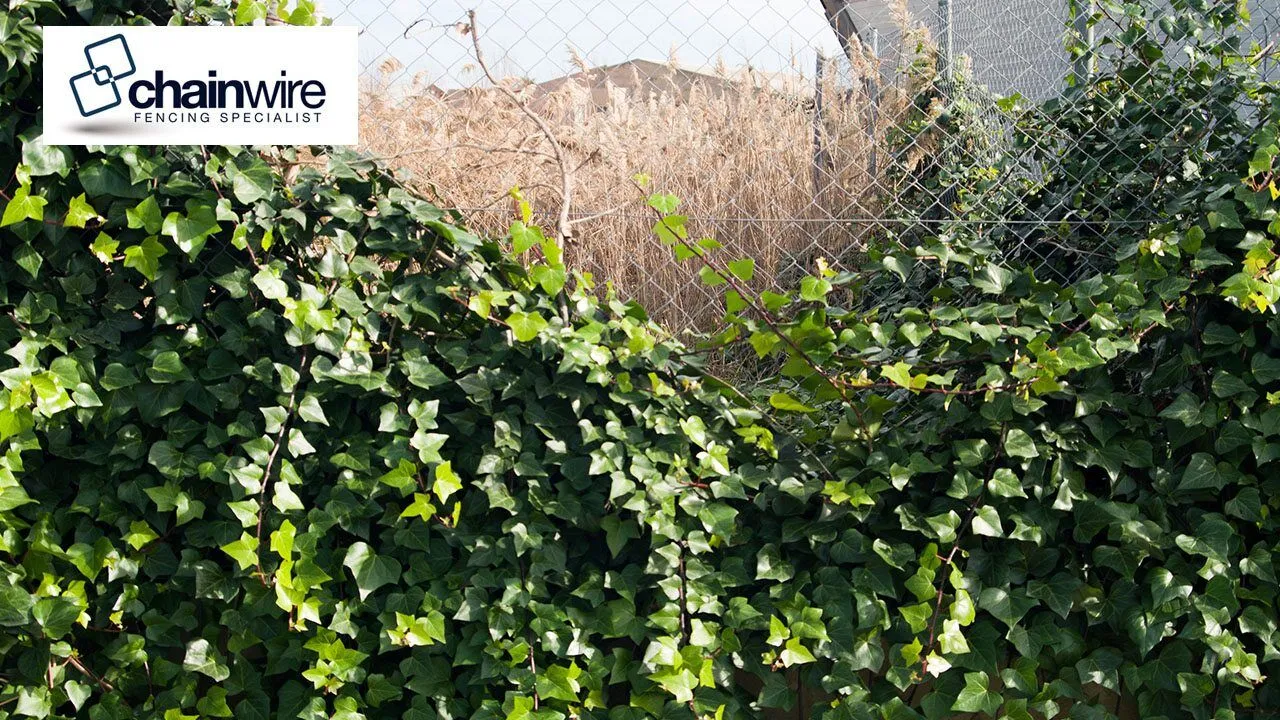
Chainwire. Also called chain link, chainwire is a durable, affordable metal fence that handles NSW weather well. Its galvanised steel wire resists rust, and because the open mesh lets rain and wind pass straight through, there is no solid face for the weather to push against. Use rust-resistant aluminium or zinc-alloy latches and fasteners and it will stand for years. If the plain look bothers you, privacy slats or a growing vine soften it, and a barbed top adds security.
How to choose
The best material is the one that matches your purpose, your budget, your maintenance appetite and your setting, in that order. Write those four down before you ring an installer. For hard-wearing, low-maintenance performance in NSW conditions, the metal options, chainwire, steel and aluminium, are the safe bets, with the choice between them coming down to how much security and how much decorative appeal you want. If you are near the coast, salt changes the calculation, which we cover in best fencing materials for coastal and high-salt environments.
The takeaway: every material has a climate weakness, so choose with the weather in mind, not just the look. In NSW's heat, humidity and rain, well-finished metal fencing gives you the longest life for the least upkeep, and chainwire in particular shrugs off the weather because there is nothing solid for it to work against.