
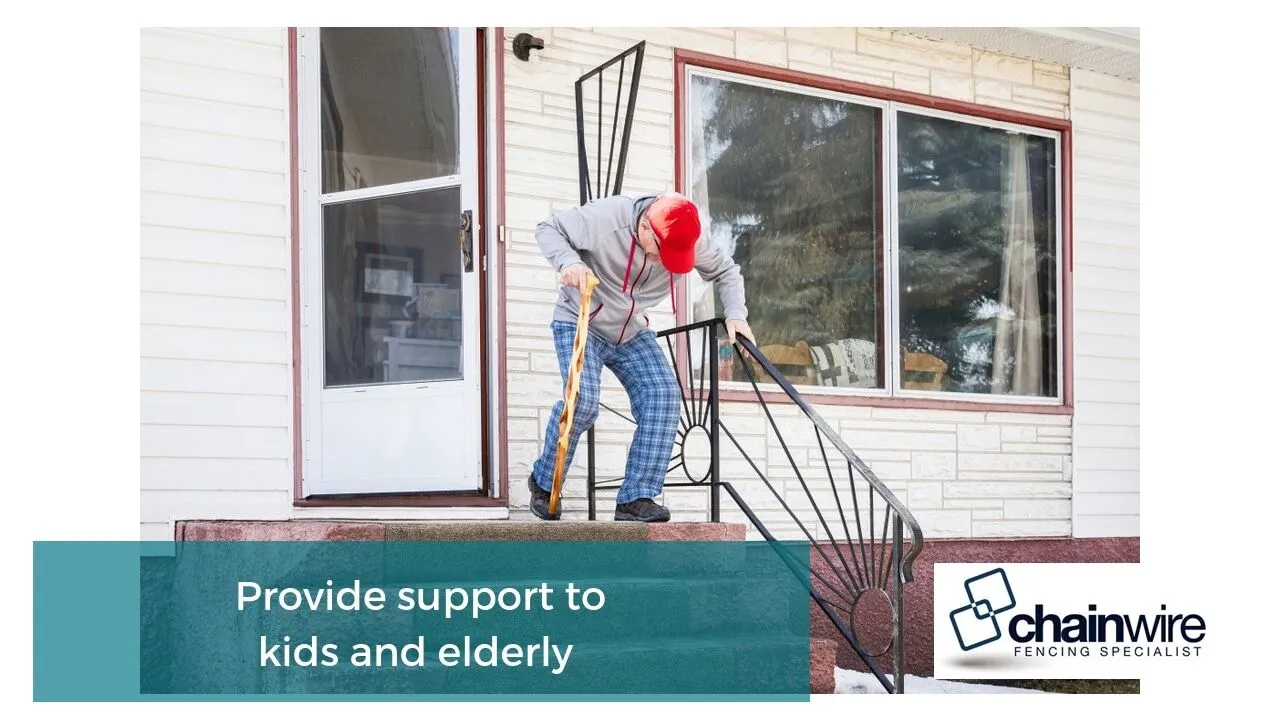
You know the feeling of reaching out for something to steady yourself and finding thin air. Around outdoor steps and paths that moment is how falls happen, and a handrail is the simple fix. Handrails are rails that provide stability and support, mounted to posts or walls, and outdoors they do more jobs than most people realise. Here is where they matter and what separates a good one from a token one.
Where outdoor handrails earn their place
Steps and stairs. The obvious one, and the most important. Any flight of exterior steps, even two or three, is safer with a rail, and for anyone less steady on their feet it is the difference between confidence and a fall.
Support for kids and older people. Children need something to guide them and older or less mobile people need something to depend on. An outdoor rail gives both, and does it without anyone having to ask for help.
Wet and slippery conditions. Australian steps get slick in the rain, and wet tiles or timber are a real slip hazard. A rail beside the steps gives you a firm hold exactly when the surface is against you.
Pool and deck areas. Around a pool, or on deck stairs during a barbecue with people carrying drinks and plates, a handrail adds a layer of support where footing is busy and distracted.
Garden and path edges. A natural, planted garden is lovely but often uneven, with mismatched stones and soft edges. A discreet rail along a path or a steep, curved driveway keeps the charm and removes the hazard, and it can be styled to blend into the surroundings.
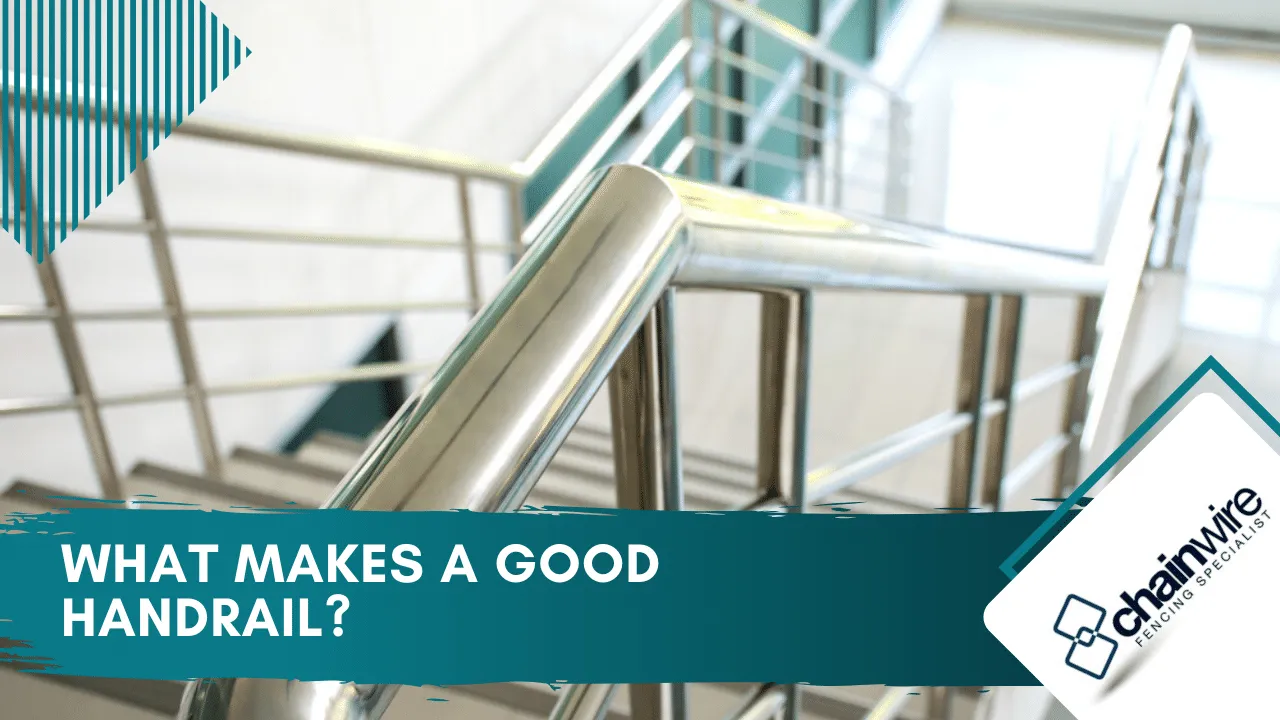
What makes a handrail actually good
A rail that looks the part but fails when someone leans on it is worse than none, because people trust it. Three things matter.
Stability. A good rail does not budge. The people who most need a handrail, the unsteady and the less able, are depending on it to hold their weight, so it must be properly fixed, firm and solid. A shaky rail makes people distrust it and reach for something, or someone, else.
Grip. A rail has to be comfortable to hold, including for hands that are wet, sweaty or not strong. Some polished steel bars look sleek but are hard to grip; the right rail balances looks with a surface and profile a hand can actually hold onto.
Size. A handrail serves all sorts of people, so it needs a diameter that suits the average hand, neither too thick to wrap around nor too thin to feel secure. You cannot suit everyone, but you can get it right for most.
The material for the job
Most outdoor handrails are steel, because it is strong, weatherproof once galvanised, and holds up outdoors for years. Galvanised pipe handrails are a staple of safe, compliant outdoor access, and being a fabrication as much as a fence, they can be made to fit the exact run of steps, ramp or path rather than forced from an off-the-shelf kit.
The takeaway: an outdoor handrail is small, quiet safety that pays off the first time someone slips. Put them wherever footing is uncertain, steps, wet areas, pool surrounds and uneven paths, and make sure each one is genuinely stable, easy to grip and the right size, because a rail people cannot trust is not doing its job.