
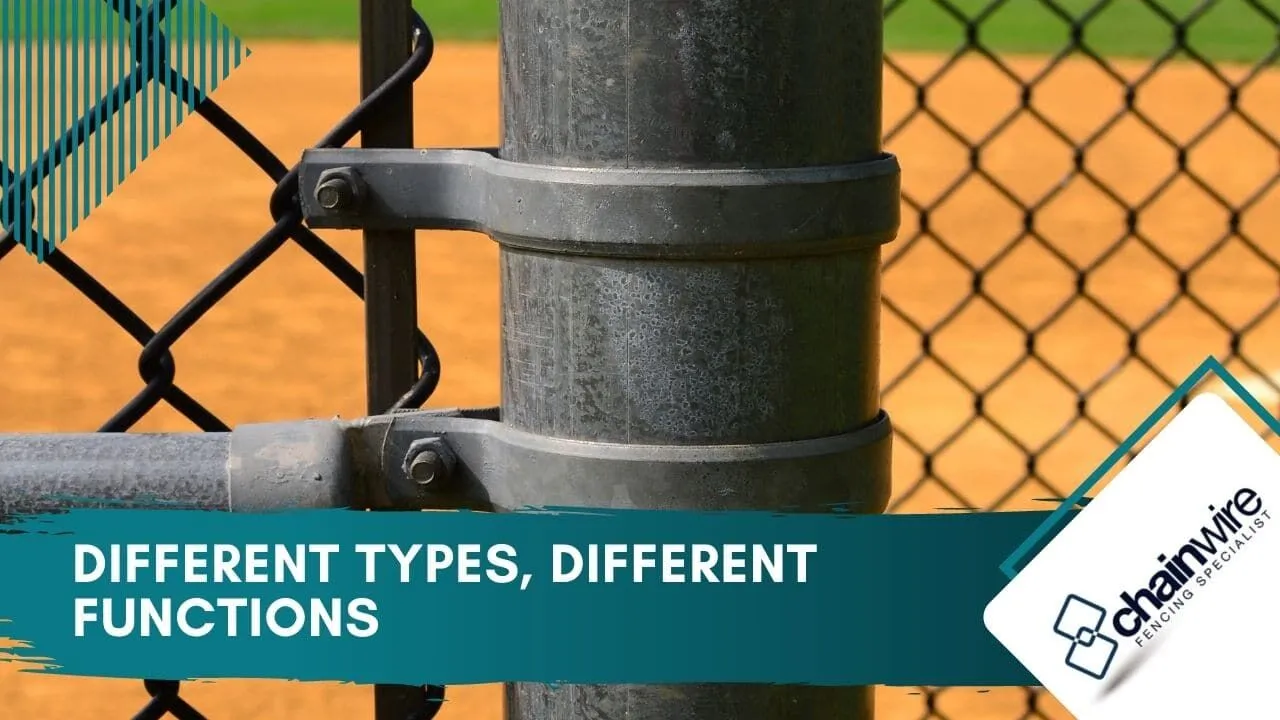
A fence's looks and lifespan come from its material, but its structural integrity comes from small things: the brackets that hold the posts, rails, pickets and mesh together. Get the brackets right and the fence stands firm and square for years. Get them wrong and it sags, shifts and eventually fails. Here is a plain guide to the common types and why they earn their keep.
The main types of fencing bracket
Brackets come in many forms, each connecting a specific part of the fence, and they work alongside braces, hinges and clamps. The ones you are most likely to meet:
- U bracket: a U-shaped bracket that holds a fence panel firmly in place.
- Z bracket: attaches a fence rail to a steel post.
- Wall or post bracket for wire panel: fixes a wire panel securely to a post or wall.
- Wall bracket for bar fence: angled at 90 degrees to mount a bar fence to a wall.
- Stationary wall mount bracket: attaches fence sections to a wall, post or other flat surface.
- Wall bracket: fixes a mobile fence or post straight onto a wall.
- Angle fence bracket: adjustable, for panels set at angles other than 90 or 180 degrees, with adaptors that allow left-to-right adjustment.
- Corner fence rail bracket: fixes a corner rail onto steel posts.
- Corner connection bracket: grips the vertical wires of two mesh panels and joins them at an angle.
- End bracket: attaches railing to a post, brick pillar, wall or the side of a building, depending on the type.
- Tension rod bracket: secures the tension rod that holds the ends of chain link or wire mesh to the terminal posts.
- Saddle bracket: a winged version of the U bracket that supports rails on poles or posts.
- Short fencing bracket: mounts a bar or wire mesh panel on a post.
- Round rail fence bracket: hugs a round post so the rail rests securely on it.
Swivel vs fix
Brackets come in swivel and fix types. Fix types suit straightforward metal, timber or brick installs. Swivel types, horizontal and vertical, let the fence follow the horizontal angle or the vertical slope of the ground, which is what you want on a block that is not flat.
Why bother with brackets?
You can nail a timber fence together, but it only works for wood, and it will not stand up to an animal leaning on it. Proper brackets buy you real benefits:
- They reinforce the fence. Made from sturdy material, brackets carry the heavy elements and keep the whole system stable, firm and in shape.
- They prevent sagging. Fences sag from shifting ground, rotting timber and, most often, poor support. Brackets holding everything rigidly together stop a fence leaning and failing.
- They last. Most brackets are steel, pressed steel or Galvabond and aluminium, all rust-resistant, often powder-coated for extra weatherproofing and a cleaner look.
- They finish neatly. Joining two round rails cleanly is awkward with a nail or screw. A bracket sits snug around the rails, posts and mesh for a tidy, compact result.
The takeaway
Brackets are the least glamorous part of a fence and one of the most important. Match the bracket to the joint, use swivel types on sloping ground, choose rust-resistant material, and the small hardware will keep the big fence standing straight long after a nailed-together job would have started to lean.